
Preparing For Property Photography and Video

Turning up to a property to photograph, film, and shoot a 360º Virtual Tour is not the easiest of jobs. Throw in having to measure each space and sketch a floor plan and you have an intense couple of hours work. But when you show up to find children's toys strewn over the place, multiple pairs of shoes in the hallway, jackets hanging over stairs and on the backs of doors, our job as property photographers gets a whole lot more difficult. Don't get me started on messy kitchens and dog bowls and beds either.
But it isn't always the fault of the homeowner. It is the job of the photographer and the estate agent to educate clients so they know what is expected of them. People get so used to seeing things around their home that they become almost invisible to them. It is our job to bring attention to these things and let them know how to declutter their home. Below is a list of tasks we ask homeowners to undertake before a member of our photography team arrive on the day of the shoot.
Oh, one more thing. Moving clutter from one room to the next on the day of the shoot is neither acceptable or possible. A video walkthrough and a 360º camera sees everything. Everywhere.

Exterior preparation
Remove any vehicles from the outside of the property
Remove any clutter from outside the property such as bins and hoses, kids toys etc.
Mow the lawn and tidy round the garden including weeding and removing leaves
Clean the windows and doors
Remove washing from washing lines
General declutter
Set the scene inside
Moving furniture around may help to make a room look more spacious
Make sure your home is well lit, and replace any light bulbs that have gone out. Have all lights on when the photographer arrives, including lamps.
Open all curtains and open or tilt all blinds
Fresh flowers help to breathe life into a property
Declutter and remove any items including pictures, ornaments and items of personal taste.
Remove any pet hairs or any items covered in pet hair
General declutter
Reception rooms
Throws on sofas should be artfully arranged or removed
Arrange cushions to look smart and tidy
Set dining room tables
Remove rugs, especially where you have wooden or tiled floors
Any children’s toys or piles of magazines, DVDs etc should be out of sight, preferably in a cupboard.
General declutter
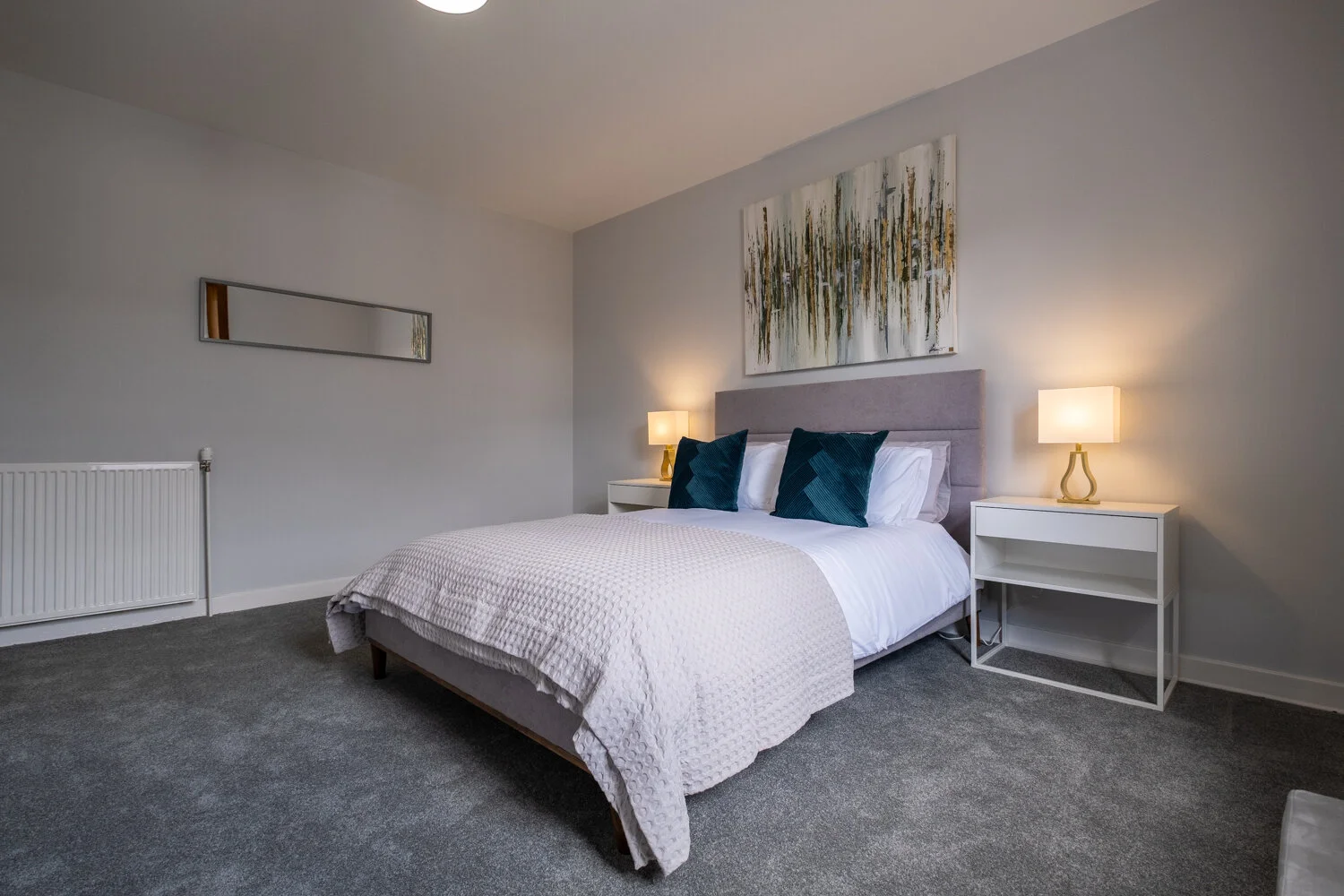
Bedrooms
Make the bed and choose bed clothes that compliment the room
Anything stored under the bed should be completely out of sight or removed
All drawers and wardrobe doors should be shut
No clothes hanging over doors or hooks on doors
Remove shoes, washing baskets or any other items generally stored in bedrooms.
Remove beauty and hair products and accessories including straighteners, hair dryer etc.
General declutter
Kitchen
Clear all work tops and make sure there are no tea towels or chopping boards on show
Move bins out of sight
Clear away spare appliances or utensils
Close all cupboards
Hide all fridge magnets
Clear the sink (no dirty dishes!)
If you have pets, hide their food bowls and beds
A full, fresh fruit bowl can add a flash of colour
General declutter
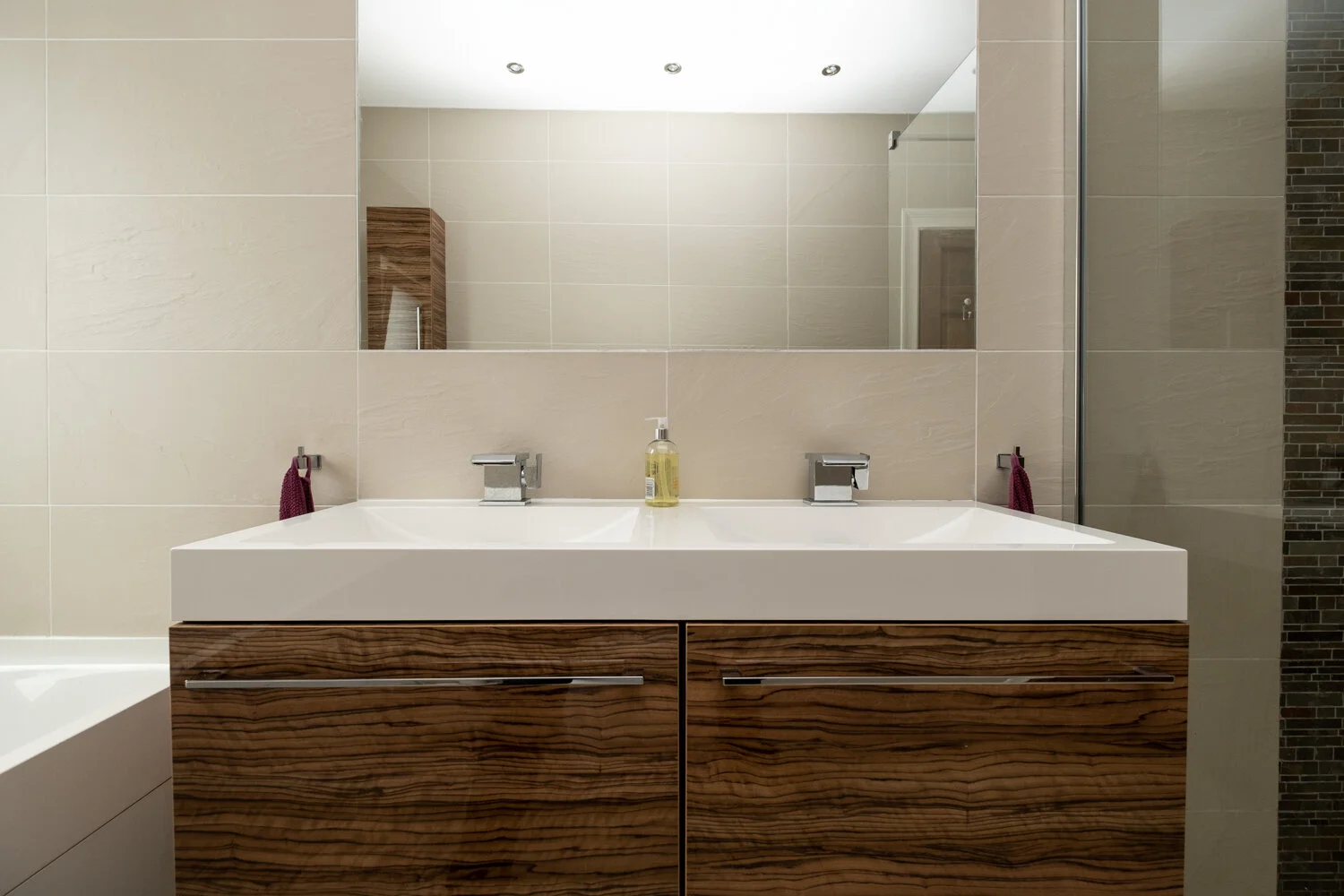
Bathroom
Keep the toilet lid down
Remove clutter like shower gels and toothbrushes
Open the shower curtain
Remove all toilet paper from its holders and stands
Any towels should be artfully arranged or removed
General declutter
Visit our PORTFOLIO PAGE to see examples of our photography, video, and 360º virtual tours.
Agent Safety When Working Alone

The kidnapper of a West Midlands estate agent in January 1992 was refused parole this week. Michael Sams kidnapped Stephanie Slater at knifepoint after booking an appointment under a false name, then held her captive for four days until releasing her when her employer paid a £175,000 ransom. Sams was convicted in 1993 for kidnapping Stephanie, and also for the murder of Leeds woman Julie Dart the year before. Sams is now 78 years old and will have to spend at least another year in prison as he is still seen as a threat to members of the public.
Stephanie Slater never returned to the property market and later moved to The Isle of Wight. She wrote a book about her ordeal, but sadly passed away in 2017 at the age of just 50 after a battle with cancer.
Susie Lamplugh
Probably the most famous case of an estate agent going missing after a property viewing was that of Susie Lamplugh (25) who disappeared after going to a meeting with Mr Kipper in July 1986. Susie's body has never been recovered and no one has been convicted. Prime suspect John Cannan is due for parole in 2022 after serving more than 30 years for the murder of factory worker Shirley Banks in 1987. Cannan denies being involved in Susie Lamplugh's disappearance and claims police are trying to prevent his parole in 2022 by naming him as their prime suspect.
So how can agents keep safe when meeting clients at properties?
Always make sure co-workers have access to your calendar appointments.
This goes without saying really. Your office, co-workers, and family should always know where you are and when you are expected back throughout the work day. But it’s important to make the rules clear about the amount of time that should pass before they contact police.
Check in and out of property viewing appointments with your office by text or phone call.
It's a good idea to have someone at your office that you can check in with before your appointments and directly afterward. If you don't check in after an appointment, that person can attempt to reach you to make sure you have just forgotten to get in touch, or if they fail to contact you, they can alert the authorities.
Have a code that you can use on the phone or by text if you are in trouble.
If you implement the step above, it is a good idea to have some sort of code in case you are being forced to falsely confirm that you are alright. You can use certain trigger words or use names of people that don't exist.
Use a personal protection device.
There are a number of personal protection devices available. Amazon is a good place to start when looking for such devices.Devices like the Police Preferred Personal Attack Alarmor the iMaxAlarm are both inexpensive and discrete.
Apps
There are many Lone Worker apps available for Apple and Android phones. OK Alone - Lone worker App and Safe Hub are such apps. Check the Apple App store of Google Play for your device.
Take a self defence class, but preferably do a more intensive one on one training.
There are plenty of self defence classes available in just about every town or city, but I would recommend getting in touch with a good instructor and explaining why you need to be able to protect yourself. A decent instructor will teach you more aggressive measures in a shorter space of time than a regular class will allow.
Conclusion
The chances of any harm coming to an estate agent during a viewing are not that high in the grand scheme of things. Cases like Susie Lamplugh and Stephanie Slater are memorable because they are so unusual. It's easy to think that the world is a more dangerous place than it was twenty or thirty years ago, but that's just because we are plugged in to doomsday news 24/7 these days. Bad news sells, good news doesn't.
But although these incidents are few and far between, staying vigilant and taking precautions like the ones mentioned here are essential to stay safe during viewings.
7 Reasons For Regular Property Inspections
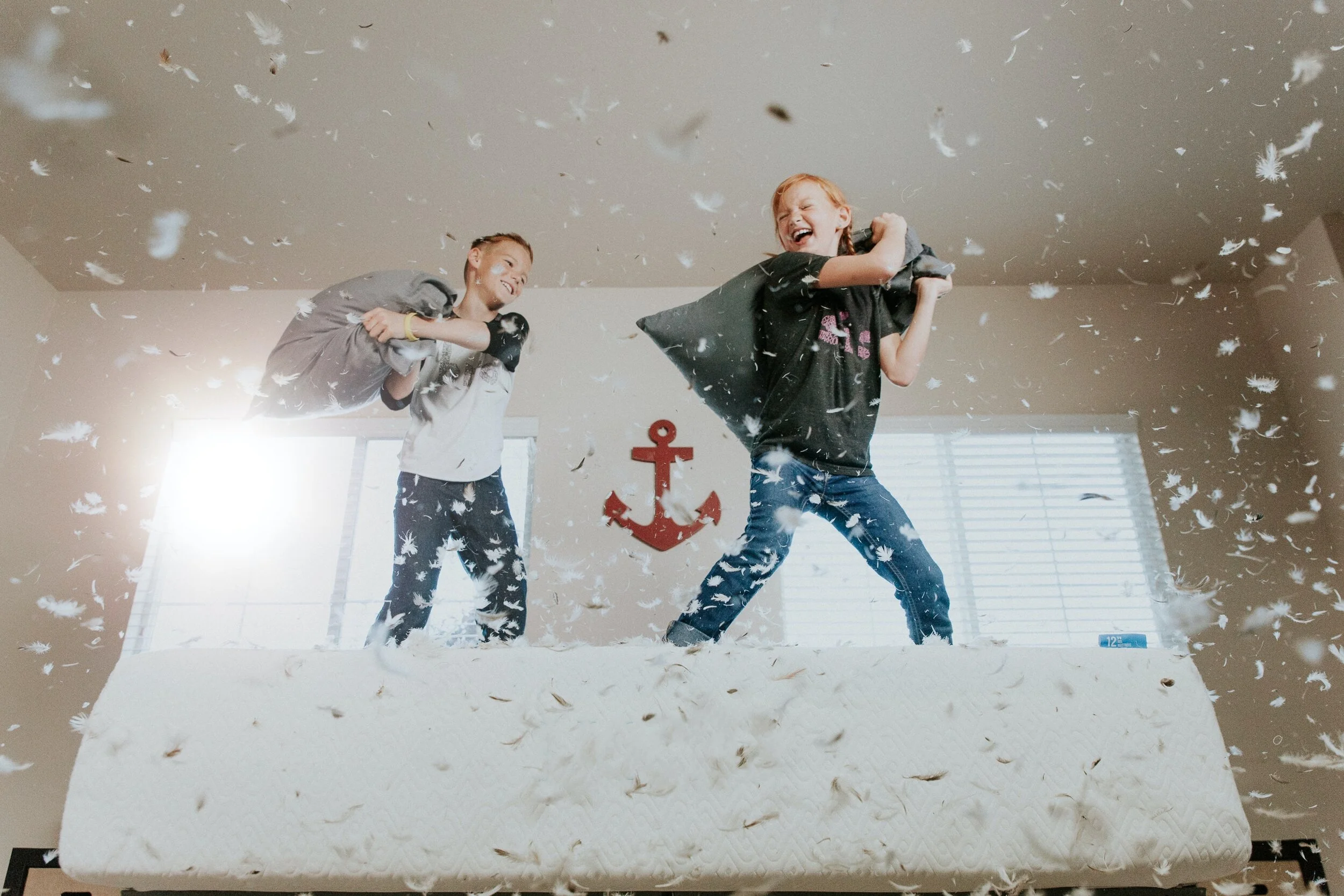
Apart from the obvious entry and exit inspections, regular mid term inspections are extremely important to make sure property is being looked after and treated with respect. Inspections can typically be performed at six month intervals but can often be undertaken quarterly if required.
A property owner might want more regular inspections if the tenant is new, then may make them less frequent as confidence builds. On the other hand; if inspection results are poor, it is good practice to perform more frequent checks to make sure tenants comply.
Here are seven reasons for regular property inspections.
1. Spot Illegal Activities
Most tenants are law abiding citizens, but unfortunately not all of them will be. The last thing you want is for your property to be used for illegal purposes such as cannabis farms or storage for stolen goods. We have all seen stories of modern day slavery where many people are crammed into a single property and used for cheap labour.
2. Check for subletting
Before a tenant can sublet a home, they must have written consent from the landlord. Some social housing tenants may also be committing a criminal offence by subletting so it is essential to perform mid term inspections to avoid things getting complicated further down the line.
3. Checking for pets
Most rental properties have a strict ‘No pets’ policy and tenants agree to this before moving in. These policies will often deter pet owners, but every now and again a tenant will think the rules don’t apply to them and will have Doris the cat or Boris the bull terrier moved in before the ink is dry on the lease agreement.
We have all heard stories of pets being moved out on the day of inspection, or being locked in cupboards in the hope that they won’t be discovered, but rules are rules.
4. Checking for damage
Probably the most obvious reason for property inspection, would be to check for damage. Wear and tear is one thing, but damage to a property can become an extremely expensive affair running into thousands of pounds. Be aware of rearranged furniture (especially in odd ways) as this can often be the way a tenant will try to conceal damage.
5. Checking for maintenance and repairs required
Not only is it good for the relationship between you and your tenant, keeping up maintenance and repairs on your property as they arise is good practice and easier to afford in small doses. Allowing them to accumulate to a point where it's just not possible to do everything at once is never good practice.
6. Condition of the garden
Gardens can often be the first area to get out of hand on any property. Uncut grass, weeds, and rubbish not properly disposed of can easily become a problem for you and can often lead to complaints from neighbours. This is one area that should be dealt with straight away.
7. Relationship building
As long as inspections are not carried-out that often it becomes an annoyance, a regular inspection can be a chance to build a good relationship with your tenant. Make it about them and ask how they are, how the property is suiting them. If they are a good tenant, it's worth going the extra mile to make sure they stay.
Conclusion
These are just some of the reasons for regular property inspections but there are many more. Just like a car has a yearly inspection to make sure it is roadworthy, a property inspection is essential to make sure the property owner and the tenant are happy with their arrangement.
At Property Exposure we strive to strike a balance between making sure your tenants comply with your rules, and making them feel like valued customers. Our inspection team is here to represent your agency. Get in touch today to see how we can help your business run more efficiently by freeing up staff to do more crucial tasks while we take care of your inspections.
Why A Mobile Phone Won’t Do For Property Photography and Video
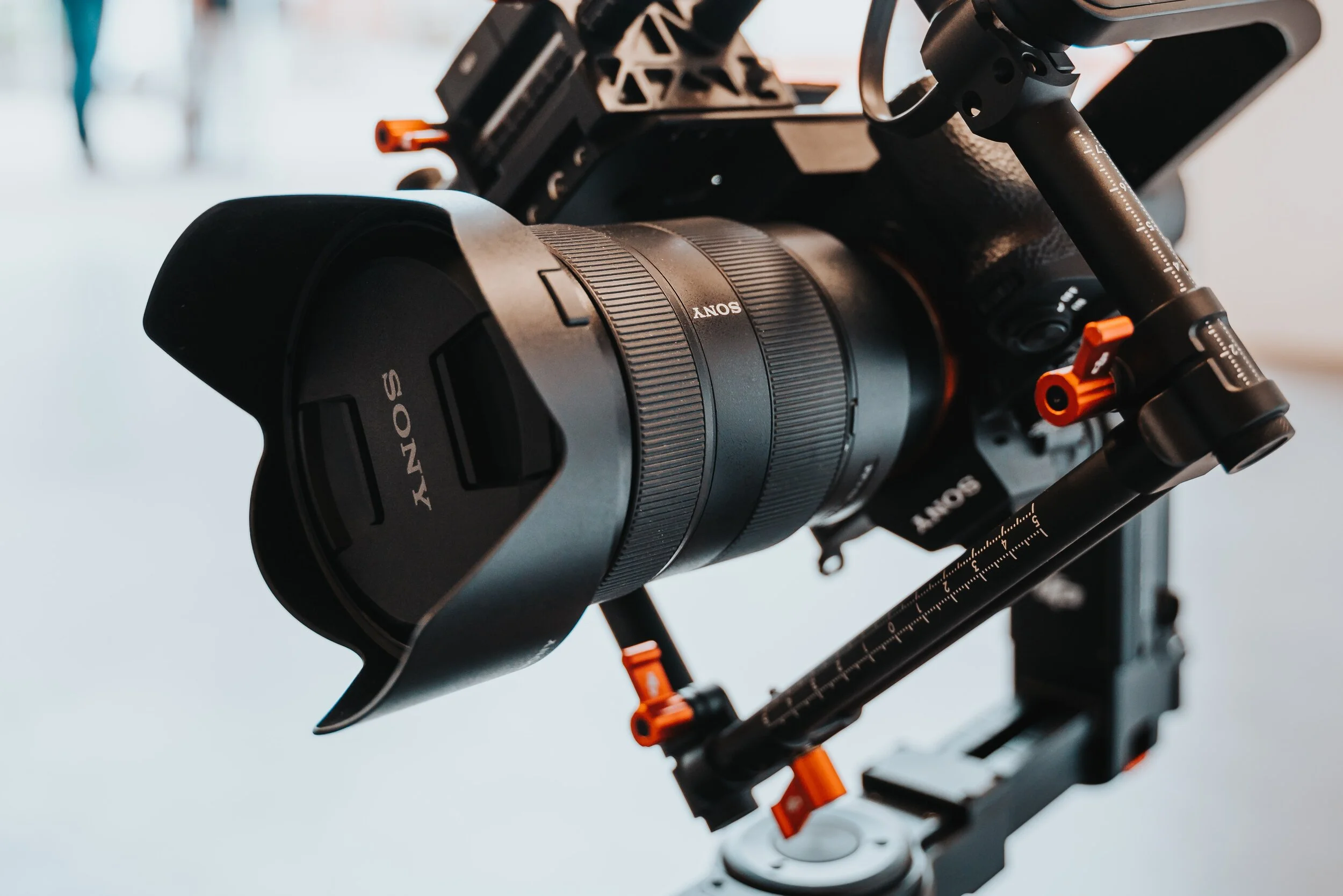
With the property sector moving heavily toward virtual 360 tours and video walkthroughs, there is a lot of misconception about what equipment will give good results. You only have to take a look at some of the property portals to see some very poor quality virtual viewings, both in video quality and filming technique.
Why you need good quality
Think about the ads you respond to on a daily basis. Products are made more desirable with quality photography and beautiful video. Think Apple, Nike etc.
Mobile phones won't cut it
While mobile phones have come a long way since the days of the Blackberry and the Nokia 3310, the physical limitations of a tiny sensor and the amount of light it can gather, plus the movement required to properly stabilize footage, means there will always be a limitation. Your mobile phone will shoot vibrant selfies out in sunlight, but the lack of ability to gather a lot of light on such a small sensor results in a noisy image with bad colours. Interiors in the UK are not the brightest, especially in the winter months.
Sensor size
"But my iPhone has as many megapixels as a DSLR!" This is a common misconception that megapixels are the most important thing. In fact, some camera companies have actually reduced low light quality in their products with certain models because they were drawn into the megapixel race. Consider a full-frame sensor (the same size as a piece of 35mm film) and a mobile phone sensor (see below for size comparison). If each of them has the same amount of megapixels, the smaller sensor will have much smaller pixels and be more crammed together. The large sensor can have bigger pixels that gather more light. This results in the larger sensor being able to shoot in lower light without suffering the digital noise of the mobile phone sensor. Let's look at the size of the common sensors.
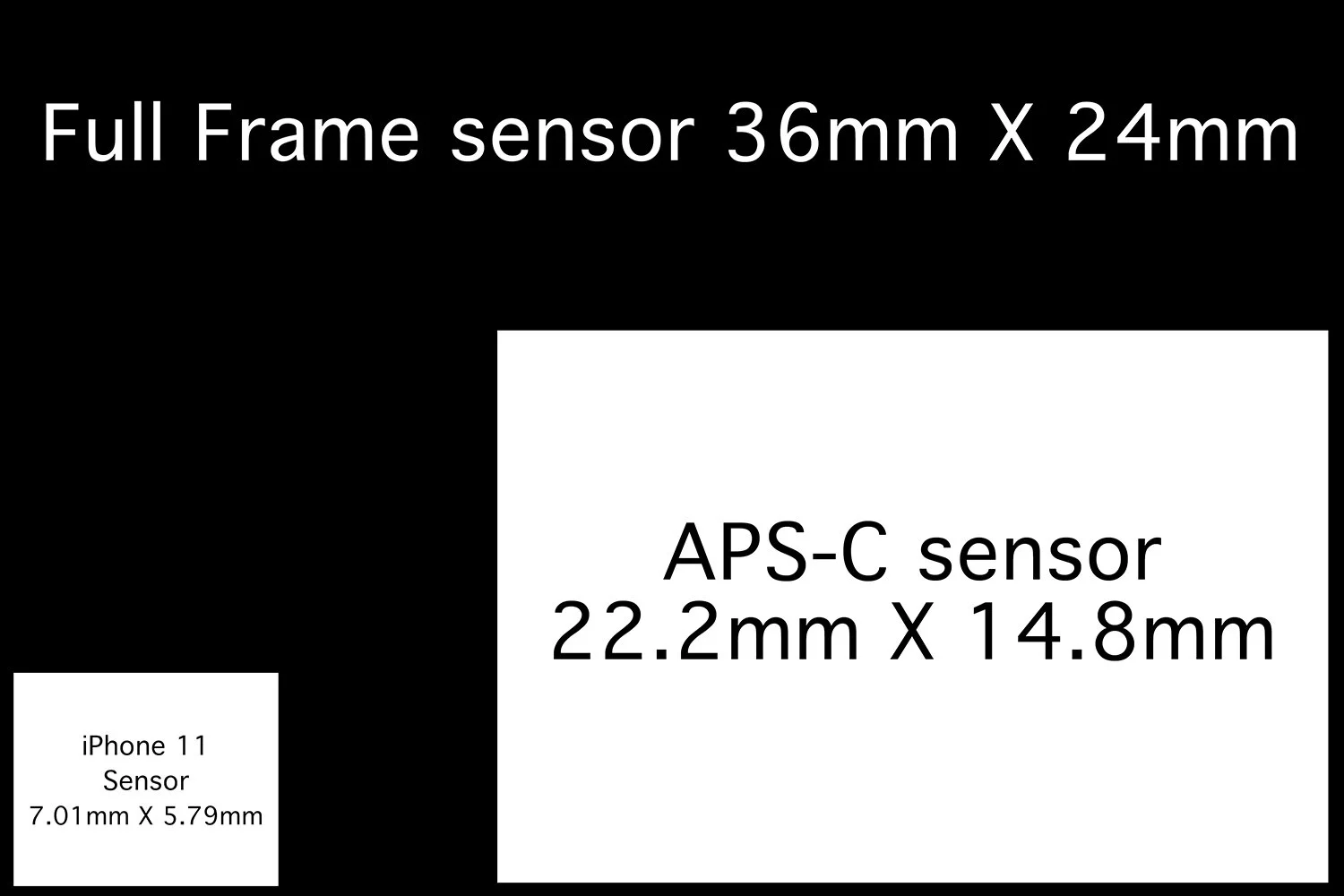
Imagine the same amount of pixels used in the full frame or APS-C sensor crammed into that tiny phone sensor - 12 million of them. Although to be honest, cameras these days generally have two, three, or even four times more megapixels than a phone.
Another thing to note is the shape of the sensor. This is the shape of your phone pictures, but if you shoot a photo you are loosing millions of pixels due to the 16:9 aspect of video.
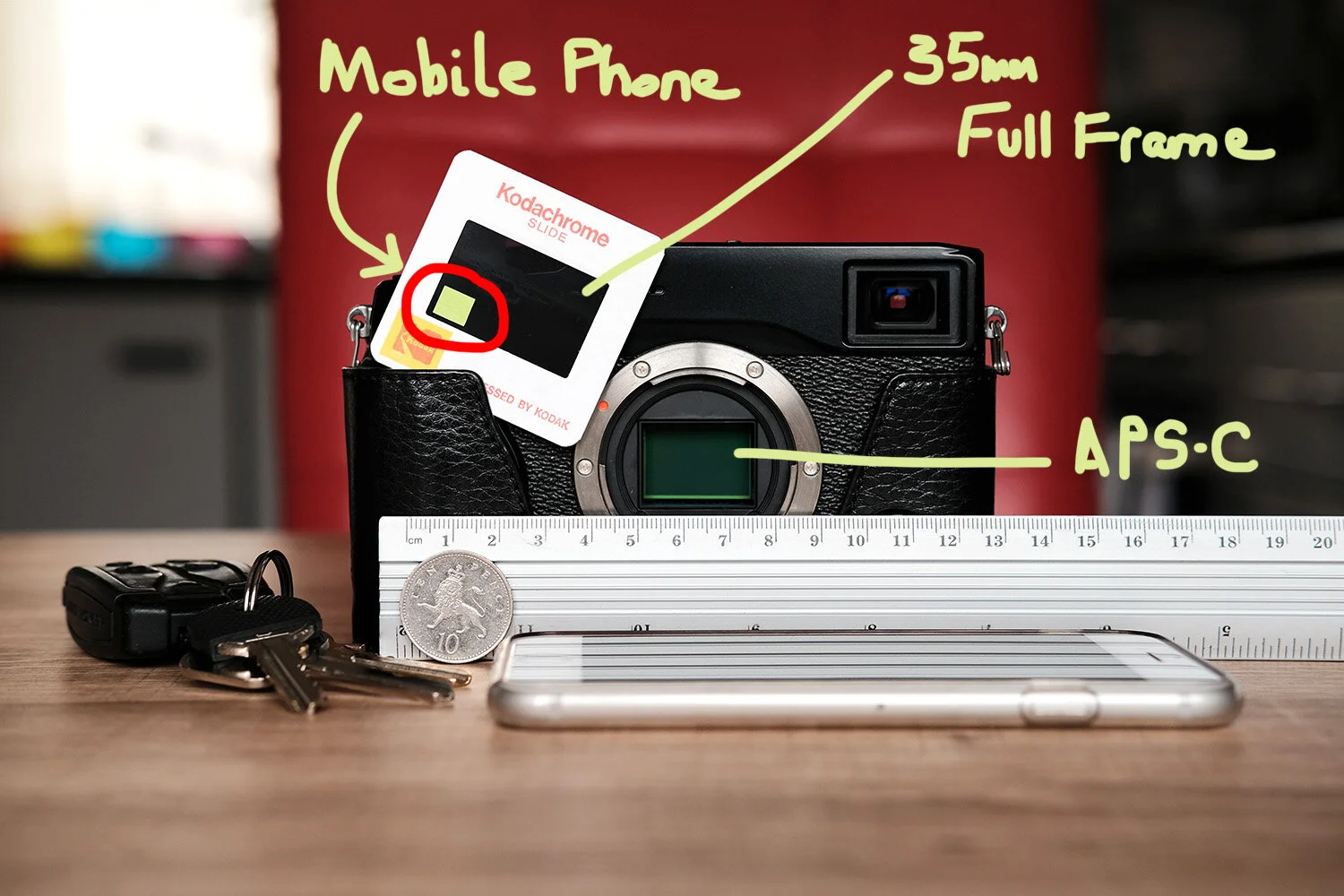
Image Stabilisation
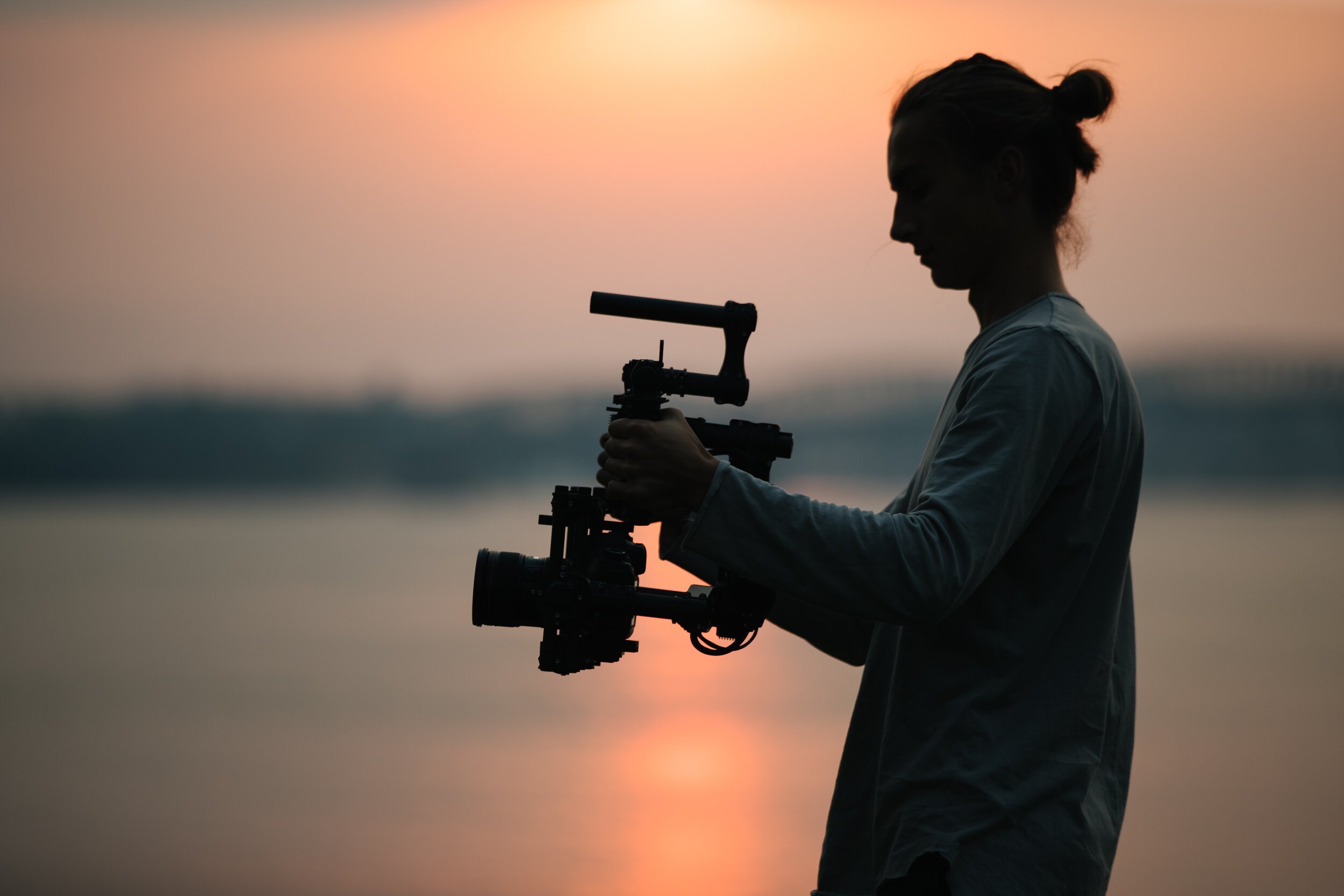
Stabilisation is important on video to give smooth footage rather than jittery, nauseating clips. Phones have come a long way in this regard with optical and digital stabilisation, but the amount of restriction of travel allowed on that tiny OIS (optical) unit due to the physical size is minuscule. You are also throwing away pixels when digital stabilisation is used due to the image being cropped.
A professional gimbal has the ability to travel in multiple axises allowing for smooth cinema quality stabilisation. These gimbals have come a long way in recent years and although they can be expensive and awkward to setup, we can now use these for video walkthroughs.
Lenses
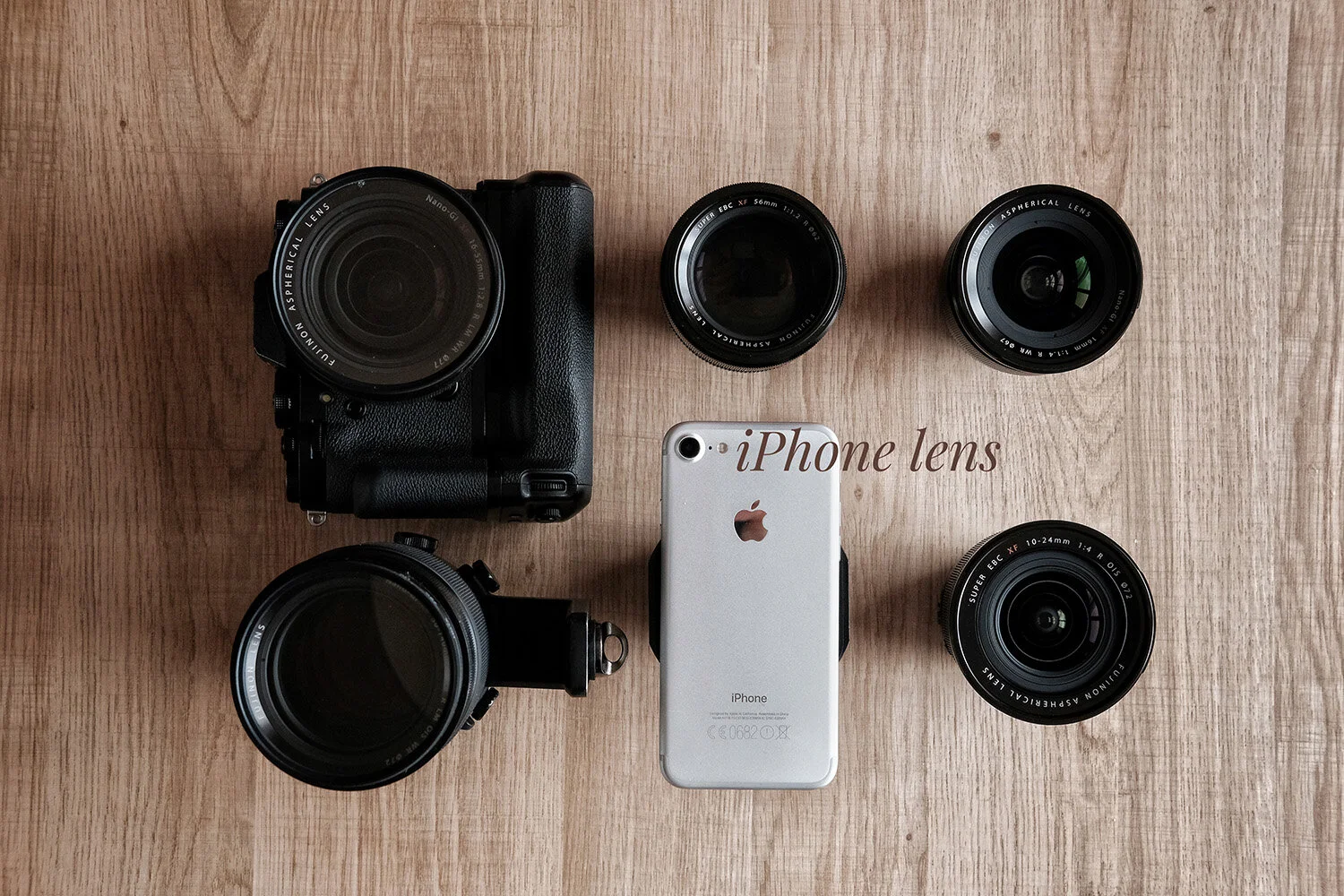
In a lot of ways, lenses are the most important part of photography and video. Like the sensor, they have to allow as much light as possible through their elements, but due to physics, good lenses are large (certainly in comparison with phone lenses) and expensive. A great lens will cost much more than the price of the most expensive iPhone. Cameras come and go, but good lenses last a lifetime!
In Conclusion
Mobile phones are amazing tools and they have changed the way we go about our daily lives and work. But they are no substitute for professional equipment. But there is an even more important part of this whole equation that I haven't even mentioned in this article so far - the photographer/videographer. Professional photographers are problem solvers. They have studied their craft for many years or decades. They know instinctively how to overcome problems and how their equipment works. There is no quick way to gain experience or expertise.
Find out how Property Exposure can help make your 360 Virtual Tours, Video Walkthroughs, and Property Photography professional and cost effective by getting in touch today.
8 Tips For Working From Home
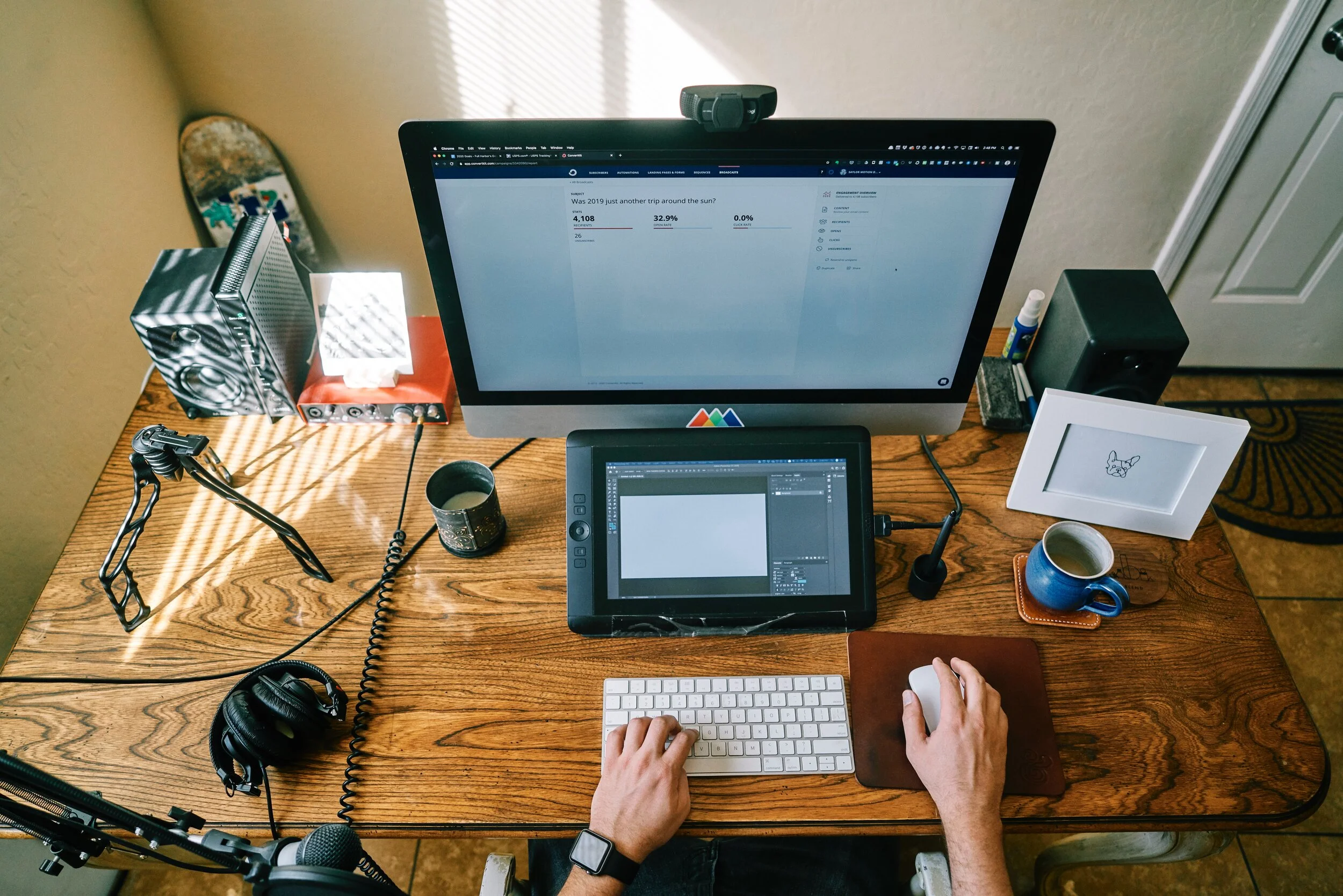
All of a sudden workers across the world are being asked to work from home. Some of us have been doing this on a regular or semi-regular basis already, but a lot of people are new to remote working. There are many great advantages to this, but of course, there are many pitfalls to avoid so that you don't become unproductive or start to feel claustrophobic. If you spend an hour in traffic in the morning and an hour at night to get home, working from home could just be the best thing that ever happened to you. Apart from the fact that you will have two extra hours in your day, you will also save money on fuel or travel costs. If on the other hand, you love the company of workmates and thrive in the office environment, this remote working thing might be a bit of a shock to the system. Here are a few tips for working from home.
Don't work in your PJ's
It might seem like one of the benefits of working from home, but pajamas equals relaxing, winding down and sleeping. Instead, get up in the morning and get dressed for work. I'm not saying you should wear a suit (if that's what you normally wear), but wear something that feels like work, albeit something comfortable. This is especially true if you will be making phone calls or video calls.
Workspace
Not everyone has their own office space at home, but it is important to find somewhere in your home that is as free of distractions as possible. This is even crucial if you have kids at home, especially young kids that don't understand when Mummy or Daddy is working. A room with a door that can be closed is ideal. You close the door when you are working and open the door when you are on a break. The rest of the house will get the idea pretty quickly.
Have all the tools at hand
This goes for any workspace, be it home or office. Have the tools you need as close to you as possible. Having to get up and walk across a room to file something can lead to just piling things up on your desk. Having to walk to another room in the house when you need to print something can lead to being distracted buy family things. So make sure you surround yourself with the tools you need; computer, notebook, pens, phone, printer, paper, etc, etc.
Time Blocking
Time blocking is very important and essential for being productive. You might want to try out a few different ways of doing this to see what works for you but I suggest starting with 30 min blocks and extending these as needed. For instance, you might use a 30-minute block for phone calls and then use the next two blocks for writing a report. Or for larger tasks, it can often be easier to break them up throughout the day.
Another productive way of time blocking is the Pomodoro method. The idea is that you work for a set amount of time and then take a break. So you could work for 40-minutes and then take a 5-minute break. There are many great apps out there for your phone on the computer. I use Tomato Timer on my Mac and Flow Timer on my iPhone. Another good one for the phone is Pomodoro. All of these apps allow you to adjust the time that suits you. Remember that 90-minutes of work is the longest recommended without at least a 5-minute break. After that, you tend not to be productive.
Be aware of the times of day you are most productive
Are you a morning person or an afternoon person? Maybe you fire on all cylinders first thing in the morning, but flag a tittle in the afternoon. Then you should schedule more intensive work first thing and leave the things that don't take as much effort until the afternoon. On the flip side; if you take a while to get going at the start of the day you might want to reverse that. If your work is not tied into a rigid 9 am - 5 pm, you might want to try a 5 am or 6 am start.
250 Steps
If you use a Fitbit or a smartwatch you will already be familiar with this, but if not...
Get up from your desk every hour and walk for 250 steps. You don't need a ton of space, you could walk between your living room and kitchen, or between bedrooms. But by getting up and getting the blood circulating it will re-energise you and make you more productive. Plus it is much healthier too.
Hard Stops or the lack of them
One of the most difficult things about working from home is the lack of hard stops. Starting at a set time is the easiest thing to do, but taking lunch at a regular time of the day and finishing work at the proper time is more difficult than you may think. If you time block your day, lunch shouldn't be a problem. But what can often happen is getting into what you are working on so much that by the time you realise you are hungry, it's 4 o'clock.
Stopping work at the proper finishing time is the most difficult in my opinion because you tend to finish on the completion of a task rather than say 5 pm. If you are not careful, you could end up working an extra two hours without even realising. Using the Pomodoro method mentioned above can help with this, or even just setting an alarm on your phone.
It is extremely important to have a hard stop at the end of the day and shut down your computer or close the door to your home office, otherwise, your brain will be in a state of limbo, not knowing if it's at home or work.
End the working day
Do something to end your workday and create a space between work and home. This could be a walk outside or making dinner. It doesn't matter what it is as long as it is something unrelated to work.
Recommended reading
Eat That Frog by Brian Tracy
"If it's your job to eat a frog every day - make sure you do it first thing. If it's your job to eat two frogs - eat the largest one first."
Covid19 And The Property Market
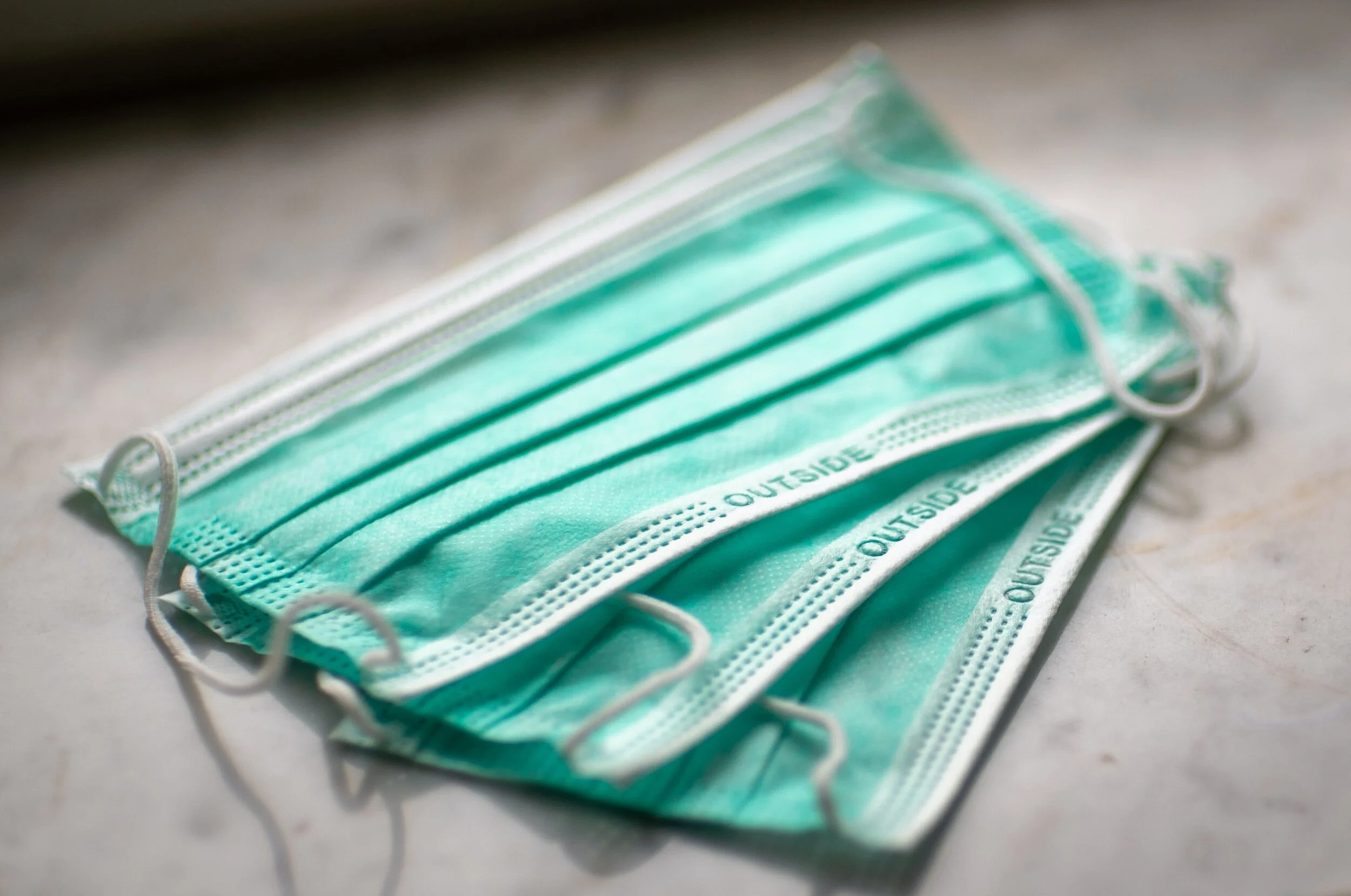
The coronavirus has just started to spread in the UK. In Scotland, we have 6 case confirmed but it's only a matter of time before it takes hold of the country and spreads like wildfire. The stock market has already seen the largest plummet since the crash of 2018. This is a global trend and could result in destroying the world economy as we know it.
Like me, you probably were not around during World War1 and World War II. You may see 911 as one of the most historical events in your life (it probably was up till this point). But we are now living in one of the most significant and historical times in the history of the planet. There is no way of knowing where this thing will take us, both health-wise and financially. At the time of writing this post, there are 91,333 Coronavirus cases worldwide. This has resulted in 3,120 deaths and 48,264 people have recovered.
According to Jess Simpson - an ex-Savills and ex-Strutt and Parker sales agent - "the virus is curbing international interest in homes. International buyers at the top end of the market do not want to fly in for viewings due to the Coronavirus outbreak and fear of traveling at the moment."
This is at the top end, but what about the day to day running of an estate or letting agency. Everything from getting prospective clients in the front door to viewings and inspections could and probably will be affected. Indeed any type of meeting will be something that all of us will think twice in the coming weeks.
It is entirely possible, the only way to show a house to a prospective client in the coming months may be on a screen as a video walk-through, followed by a Skype call. Who knows? But I will say that we should all be taking a look 'right now' at a strategy for how we will run our business during this horrible time in our history.
Property Exposure Goes Green

We humans have never had it so good! Life in the 21st century is infinitely better than any other time in history. So why does it all feel so fragile with more than a hint of trepidation?
There is no escaping the need for a more green approach to everything we do in our day-to-day lives. Whether it be on a personal basis with recycling waste and using fewer plastics, or in our work life and being conscious of the materials that we use. Property Exposure Scotland are proud to announce that, with the help of our partners, we have gone more green!
All of our For Sale Boards from this point on will be made of 100% recyclable materials. This is thanks to our supplier who has developed a new eco-friendly, fully recyclable correx sheet, which is used to make the boards and is made of recycled plastic and other recyclable materials. So the signs can be recycled again and again without ever going to landfill.
The posts that hold up the signs are made from timber that comes from FSC approved renewable forests. This will allow Property Exposure to reduce our carbon footprint and be more eco-friendly in the products we use.
Find out more about or for sale board management services https://buff.ly/397Z2K4